Wallets & Custody
Hardware devices, browser extensions and multisig contracts. Reviewed for key handling, firmware and source transparency, recovery design, and how badly they behave when something goes wrong.
Current pick: Safe8.3/10
 01Teams, DAOs and anyone holding serious value
Safe
8.3/10Safe's contracts have never been broken. In February 2025 attackers stole roughly $1.5 billion from a Safe anyway, by compromising what the signers were looking at. That distinction is the most important security lesson of the decade.
Free protocol; you pay deployment and execution gas 02Bitcoin holders who want verifiable open-source firmware
Trezor
8.2/10Trezor's argument has always been verifiability: if you cannot read the firmware, you are trusting a company. With the Safe series that argument no longer costs you physical security.
Safe 3 ~$79, Safe 5 ~$169 03Active DeFi users across multiple EVM chains
Rabby Wallet
8.1/10Rabby answers the question every wallet should and almost none do: what will this transaction actually do to my balances, and which part of it is dangerous?
Free; no markup on the wallet itself 04Solana users and multichain mobile holders
Phantom
8.0/10Phantom is the rare crypto product where the design work went into preventing mistakes rather than increasing engagement. The simulation screen alone justifies installing it.
Free; ~0.85% fee on in-wallet swaps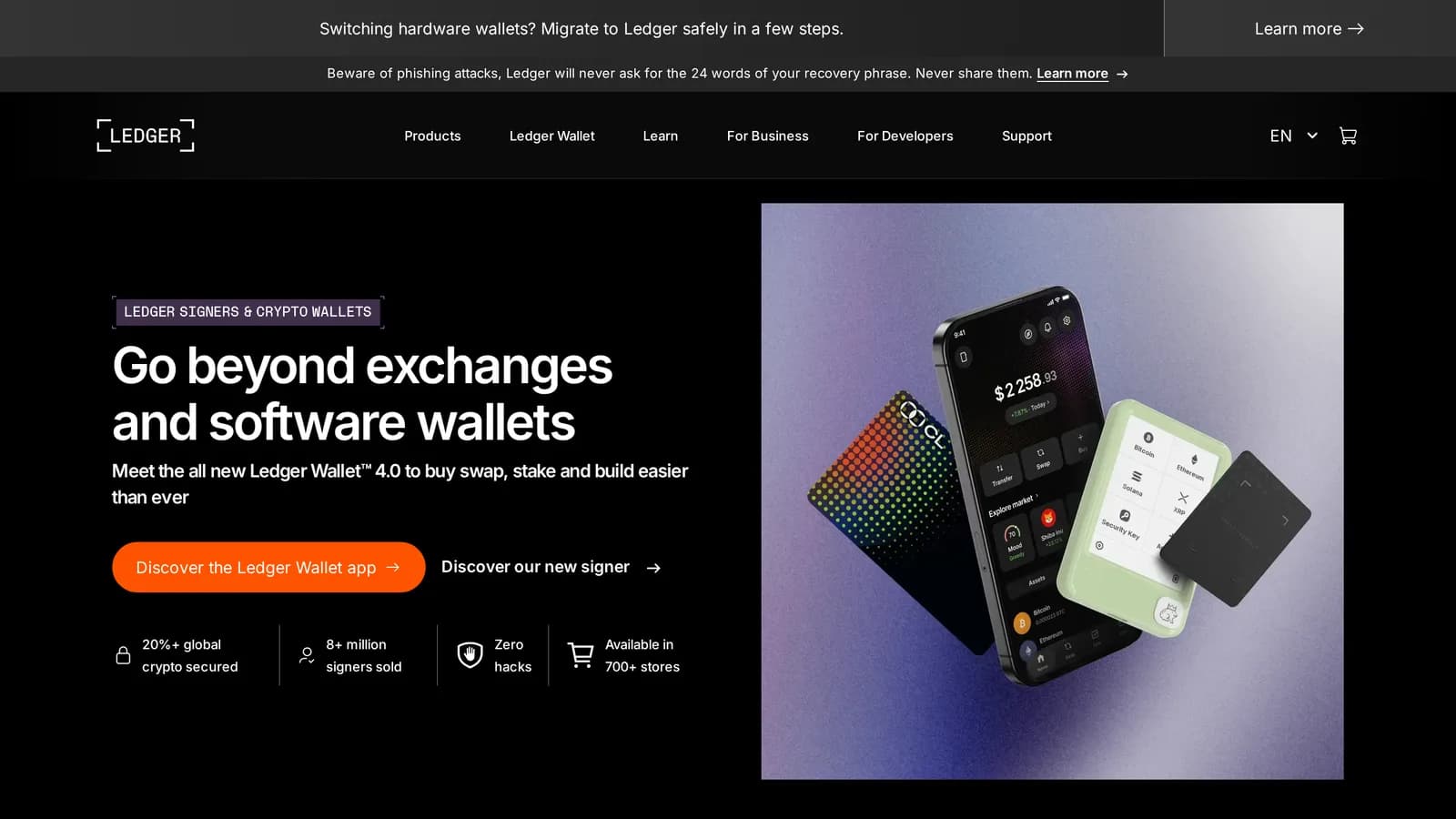 05Multi-chain holders who want certified hardware
Ledger
7.8/10Ledger makes the best-protected consumer signing device you can buy, and has repeatedly demonstrated that the device is not the only part of the system you have to trust.
Nano S Plus ~$79, Nano X ~$149, Flex ~$249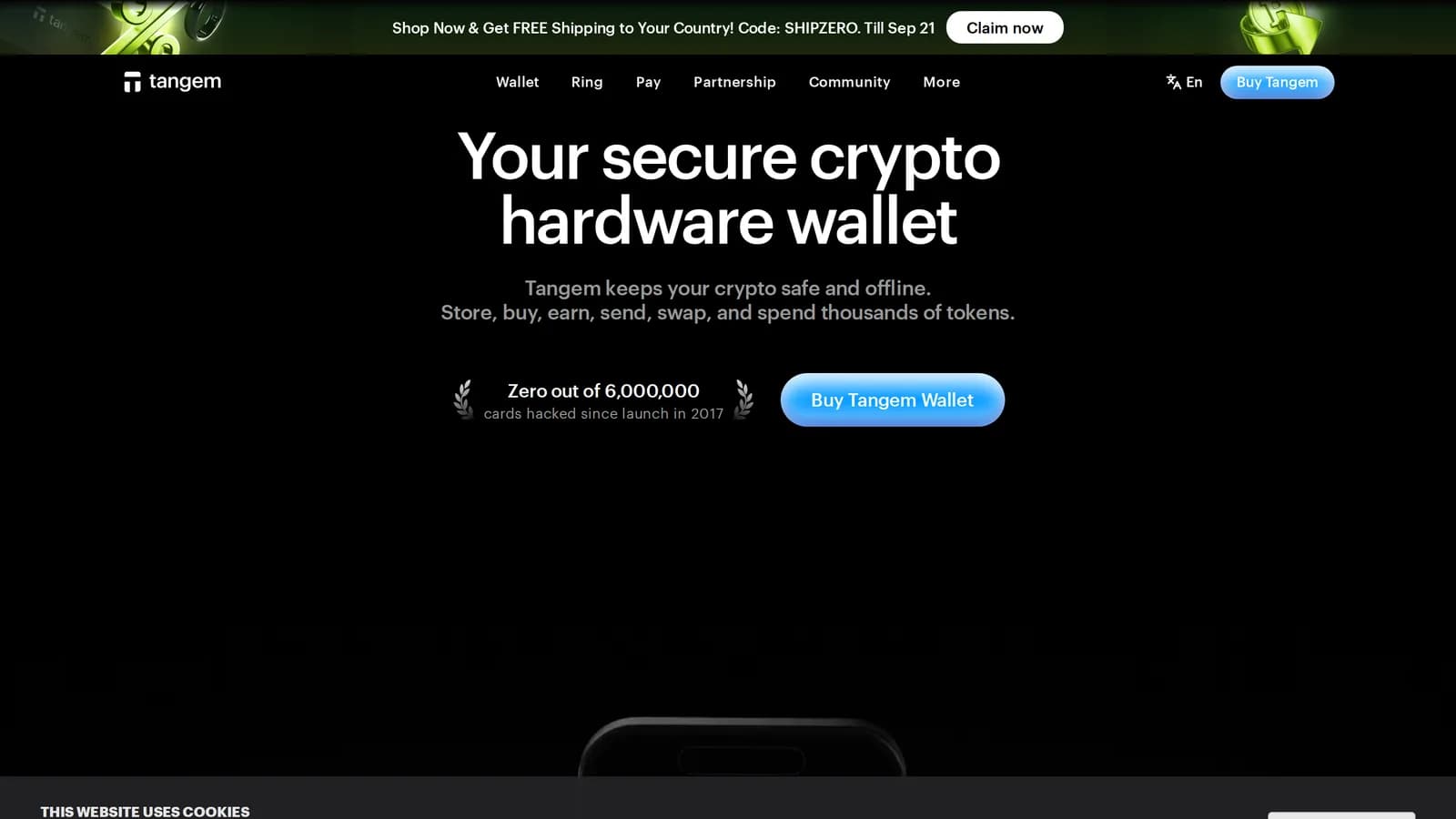 06Simple cold storage without seed-phrase management
Tangem
7.3/10Tangem removes the seed phrase, which is the cause of most self-custody losses. What it puts in its place is a set of cards you must not lose, and a phone screen you must trust.
2-card set ~$55, 3-card set ~$70 07EVM dApp access and everyday on-chain activity
MetaMask
7.2/10MetaMask's dominance is a network effect, not a product victory. It is compatible with everything, it charges nearly 0.9% if you swap inside it, and it is still a key stored in a browser.
Free; ~0.875% fee on in-wallet swaps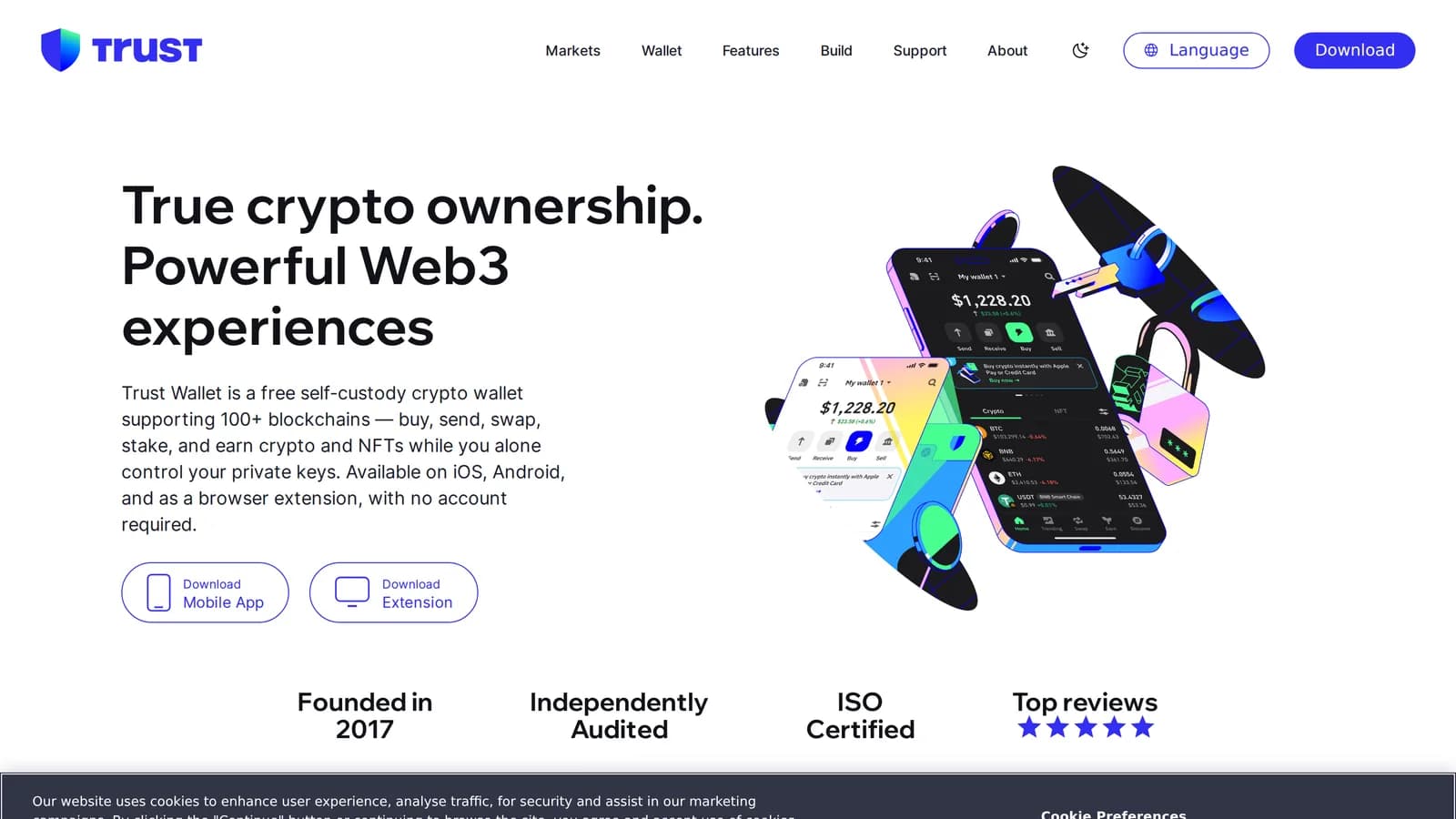 08Mobile multichain holders
Trust Wallet
7.0/10Trust Wallet's answer to 'does it support this chain' is almost always yes. That is genuinely useful and it is also why your token list will fill up with things designed to rob you.
Free; markup on in-app swap and buy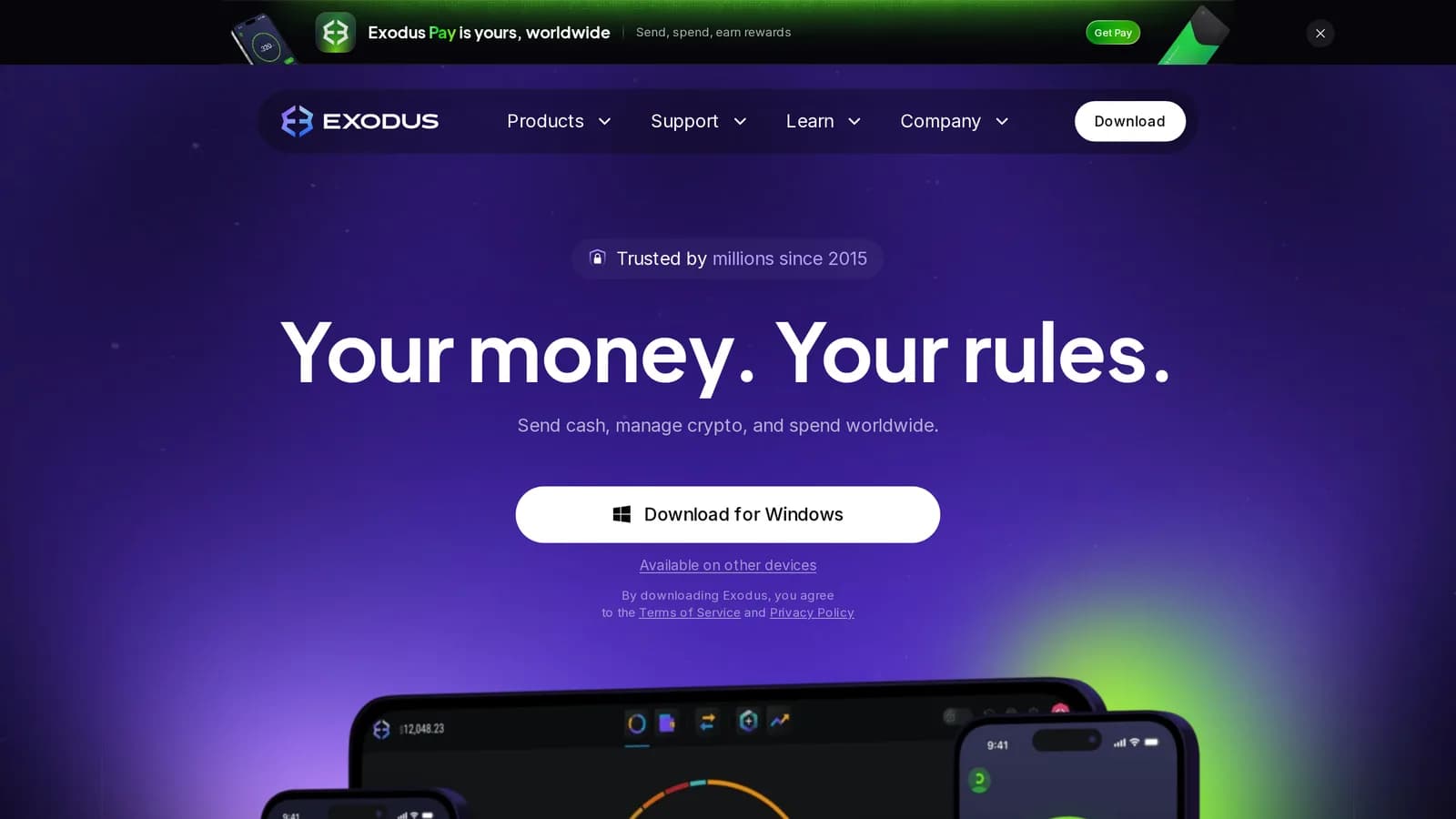 09Desktop users who prioritise interface over cost
Exodus
6.4/10Exodus spends its design budget beautifully and funds it with a conversion spread that costs users more than a hardware wallet would. For a closed-source hot wallet, that is a hard combination to recommend.
Free; built-in exchange spread is wide